Concrete looks solid and dry, but every piece of concrete has water in it. The ASTM International standard for concrete moisture content is 75 percent relative humidity(RH) or lower.
Different types of flooring have unique requirements for moisture. Putting flooring over a concrete slab with too high RH can cause the floor to fail.
Concrete moisture testing is the only way to know when concrete is ready for a floor covering. It’s never worth it to skip moisture testing before installing a floor covering over concrete.
What Concrete Moisture Content Works For My Flooring?
Concrete floor covering manufacturers specify what moisture level works with their products. If you have already purchased flooring, look for the acceptable concrete moisture in its instructions or contact the manufacturer for guidelines.
If you haven’t purchased a floor covering system yet, your concrete moisture tester can recommend the right flooring for your concrete. Some types of floor coverings can handle up to 95 percent RH.
How Is Concrete Moisture Content Tested?
There are several recommended tests for concrete moisture. Flooring manufacturers usually require two standard tests for warranty purposes.
ASTM F1869 – Measuring Moisture Vapor Emission Rate of Concrete Subfloor Using Anhydrous Calcium Chloride. This test involves setting a dish of calcium chloride on your concrete and covering it with an air-tight dome. The weight of the dish after 60 to 72 hours tells testers how much water came out of the concrete.
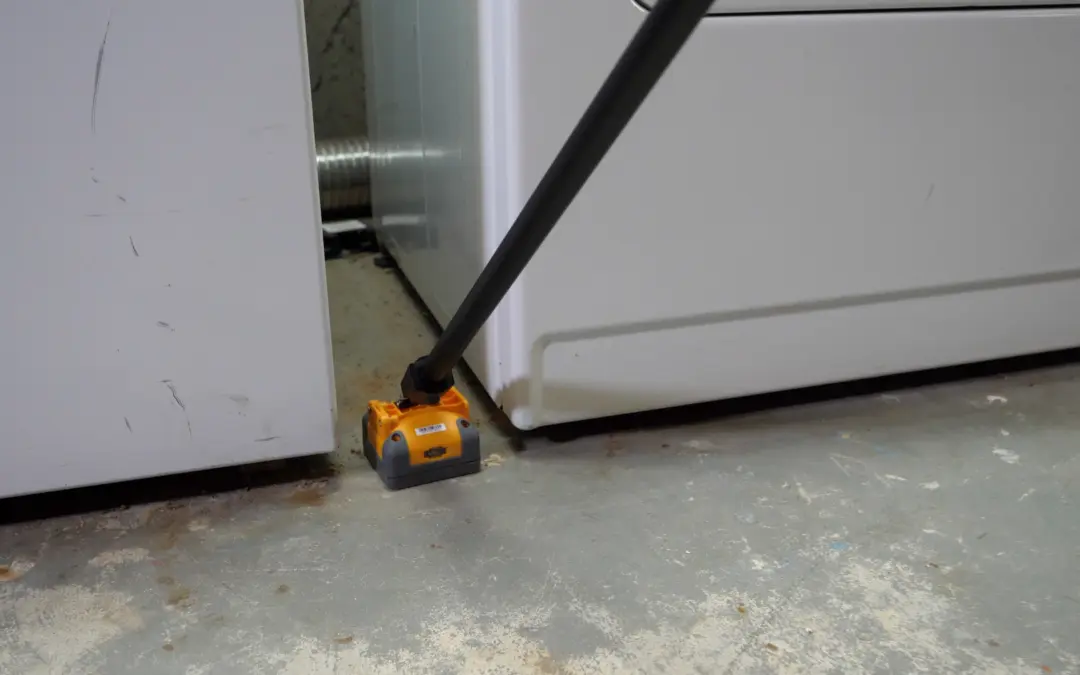
ASTM F2170 – Determining Relative Humidity in Concrete Floor Slabs Using in situ Probes. For this test, a sensor takes readings inside holes drilled into the concrete slab. ASTM F2170 gives you RH readings at different depths and over periods of time.