
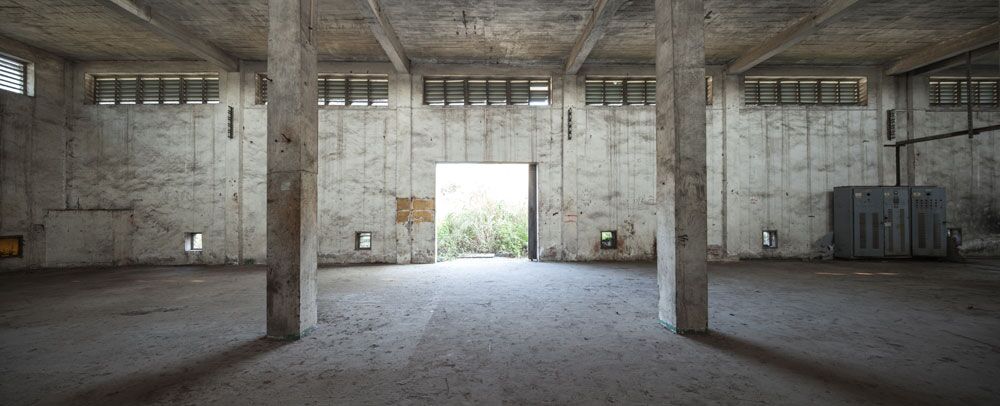
Anytime you need to install new flooring on an old concrete slab, you need to test it for moisture. The old flooring being in good shape is not a sign that the new flooring will succeed.
One of the biggest challenges of working with an old concrete slab is that you might not know how it was installed. You may need to test an older concrete slab to see what mitigation efforts you can take to eliminate moisture and create a hospitable environment for new flooring.
What Moisture Tests Should I Use For An Older Concrete Slab?
The best test you can use to understand the moisture content of an older concrete slab is the ASTM F2170 in-situ relative humidity method. During this test, a humidity sensing probe is inserted into the slab. 75 percent relative humidity or lower is considered safe for installing new flooring.
A surface test, such as the calcium chloride test, only measures the moisture at the top of the slab. Moisture from lower levels of the slab could be missed by surface tests and cause flooring failures down the road. Ambient conditions around the concrete slab make results from a surface test unreliable.
Can I Test The Condition Of An Old Concrete Floor?
The condition of your old concrete slab can be tested with a core sample. This test can tell you if your concrete slab has a vapour barrier and is still functioning as it should.
Vapour barriers stop ground moisture from entering the concrete slab. Without a functioning vapour barrier, it could be impossible to make your concrete dry enough to install flooring.
Moisture mitigation efforts can make an old concrete slab suitable for a new flooring installation. Having a core sample performed and analyzed can be a valuable tool for understanding what you can do with your old concrete slab.